What to Expect Before your renovation
A bathroom renovation involves more steps than most homeowners expect, and the visible work is only a fraction of the process. Understanding what happens at each stage makes the whole project far less stressful.
The sequence matters. Each trade depends on the one before it, and skipping or rushing a stage creates problems that are expensive to fix later.
Stage 1: Planning, Design, and Scope
Before any work begins, the scope of the renovation needs to be clearly defined. This means deciding on the layout, fixtures, finishes, and whether any structural or plumbing changes are involved.
If your project involves moving walls, relocating plumbing, or changing the footprint of the bathroom, you may need to look into council approval for your bathroom renovation in Queensland before work can start. Getting this sorted early prevents delays once the project is underway.
A detailed scope also protects your budget. Vague briefs lead to variations, and variations add cost.
Stage 2: Demolition and Strip-Out
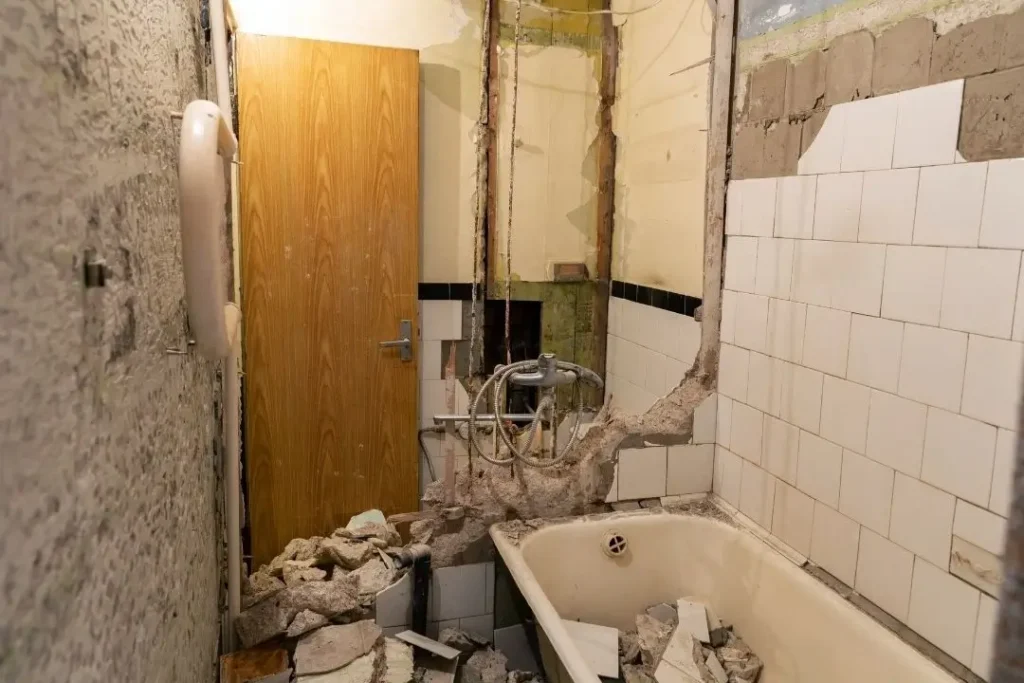
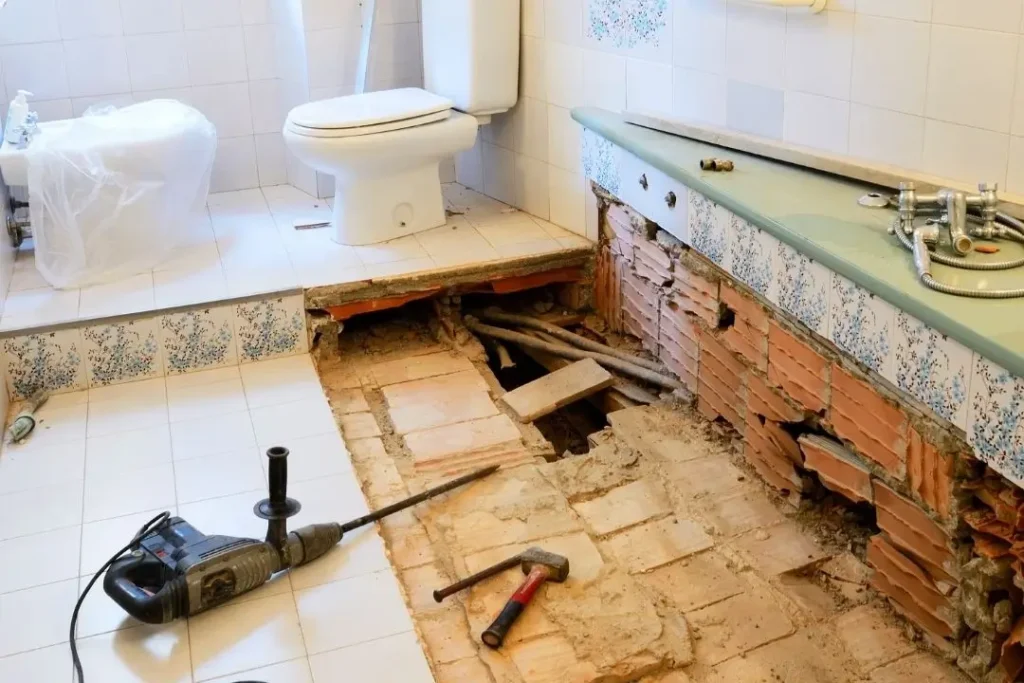
Once planning is finalised, the existing bathroom is stripped back. Tiles, vanities, toilets, shower screens, and sometimes wall linings all come out.
The condition of what sits behind the walls and under the floor only becomes clear at this point. Rotted framing, old waterproofing failures, or corroded pipes are common discoveries, and they need to be addressed before anything new goes in. The cost and complexity of bathroom demolition can vary depending on what is found once the strip-out begins.
This stage sets the foundation for everything that follows. Rushing it, or leaving old materials in place, creates problems down the track.
Stage 3: Rough-In Plumbing and Electrical
With the bathroom stripped back, licensed plumbers and electricians complete the rough-in work. This is when pipes are repositioned, drainage is adjusted, and electrical circuits are run to the correct locations.
All of this happens inside the walls and floor before any linings go on. Once the walls are closed up, accessing this work again is a major job.
This is also the stage where exhaust fan positioning, heated towel rail wiring, and any in-floor heating elements are installed.
Stage 4: Waterproofing
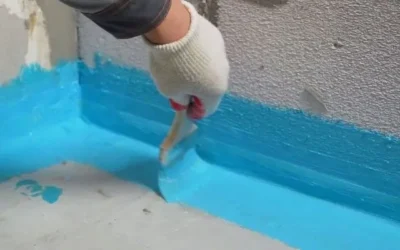
Waterproofing is one of the most critical stages in any bathroom reno, and it is also one of the most regulated. In Queensland, waterproofing must be carried out by a licensed waterproofer and inspected before tiling begins.
Wet areas that are not properly waterproofed cause water to penetrate the structure over time, leading to mould, rot, and significant repair costs. Licensed waterproofing compliance is a non-negotiable part of the process, not an optional upgrade.
The waterproofing membrane needs adequate curing time before tiling can start. This is not a stage that can be compressed to save time.
Stage 5: Wall and Floor Tiling
Tiling is where the bathroom starts to take shape visually. Wall tiles are typically installed before floor tiles, and the sequence within the room follows a specific pattern to ensure alignment and minimise cuts in visible areas.
Grout colour, tile size, and layout direction all affect how the finished space looks and feels. These decisions should be locked in before tiling begins, not changed halfway through.
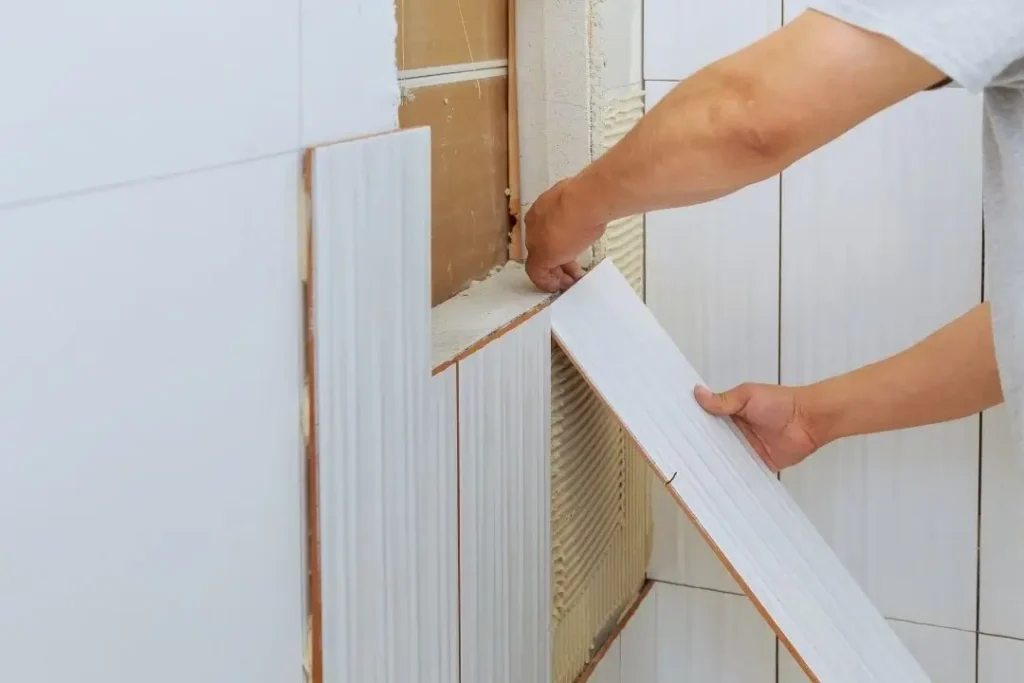
Larger format tiles require a flatter substrate and more precise preparation. If the walls or floor are not adequately prepared, tiles can crack or lift over time.
Stage 6: Fixing and Second Fix
Once tiling is complete, the fit-off stage begins. Vanities, toilets, shower screens, tapware, mirrors, and accessories are all installed at this point.
Electricians return to install light fittings, exhaust fans, and power points. Plumbers connect the final fixtures and test for leaks.
The quality of this stage is what the homeowner sees and uses every day. Precise installation of fixtures, correct silicone application, and careful alignment all contribute to a bathroom that looks and functions as intended.
Stage 7: Final Inspection and Handover
A final inspection confirms that all work meets the relevant Australian standards and that licensed trades have completed their work correctly. Any defects or incomplete items are addressed before handover.
You should receive documentation for any licensed work completed, including waterproofing certificates and compliance certificates for electrical work. Keep these records, as they may be required for insurance purposes or when selling the property.
A well-run project finishes with a clean site and a bathroom that is ready to use.
How Long Does a Bathroom Renovation Take?
A standard bathroom remodelling project typically takes two to three weeks from demolition to handover, depending on the size of the space and the complexity of the work involved.
Delays most commonly occur when materials are not on-site before work begins, or when unexpected issues are discovered during demolition. Ordering fixtures and tiles well in advance reduces the risk of the project stalling mid-way.
What to Sort Out Before Work Starts
Finalise your tile selections, fixtures, and fittings before demolition day. Late changes to these decisions cause delays and can affect the overall cost.
Arrange alternative bathroom access if your home only has one bathroom. Most renovations take at least two weeks, and having a plan in place makes the disruption manageable.
Confirm that your builder holds the appropriate licences for the work being carried out. In Queensland, plumbing, electrical, and waterproofing work must all be completed by licensed tradespeople.
Ready to Start Planning Your Bathroom Renovation?
For bathroom renovations Brisbane Northside homeowners can rely on, our team handles every stage of the process from initial planning through to final handover. If you are looking for bathroom builders Brendale locals can trust, we can walk you through the process, explain what to expect, and give you a clear quote before work begins.
To talk through your project and get a clear picture of what is involved, send us a message through our online enquiry form or call us directly on (07) 3184 4592 and we’ll provide advice and a free on-site quote.